
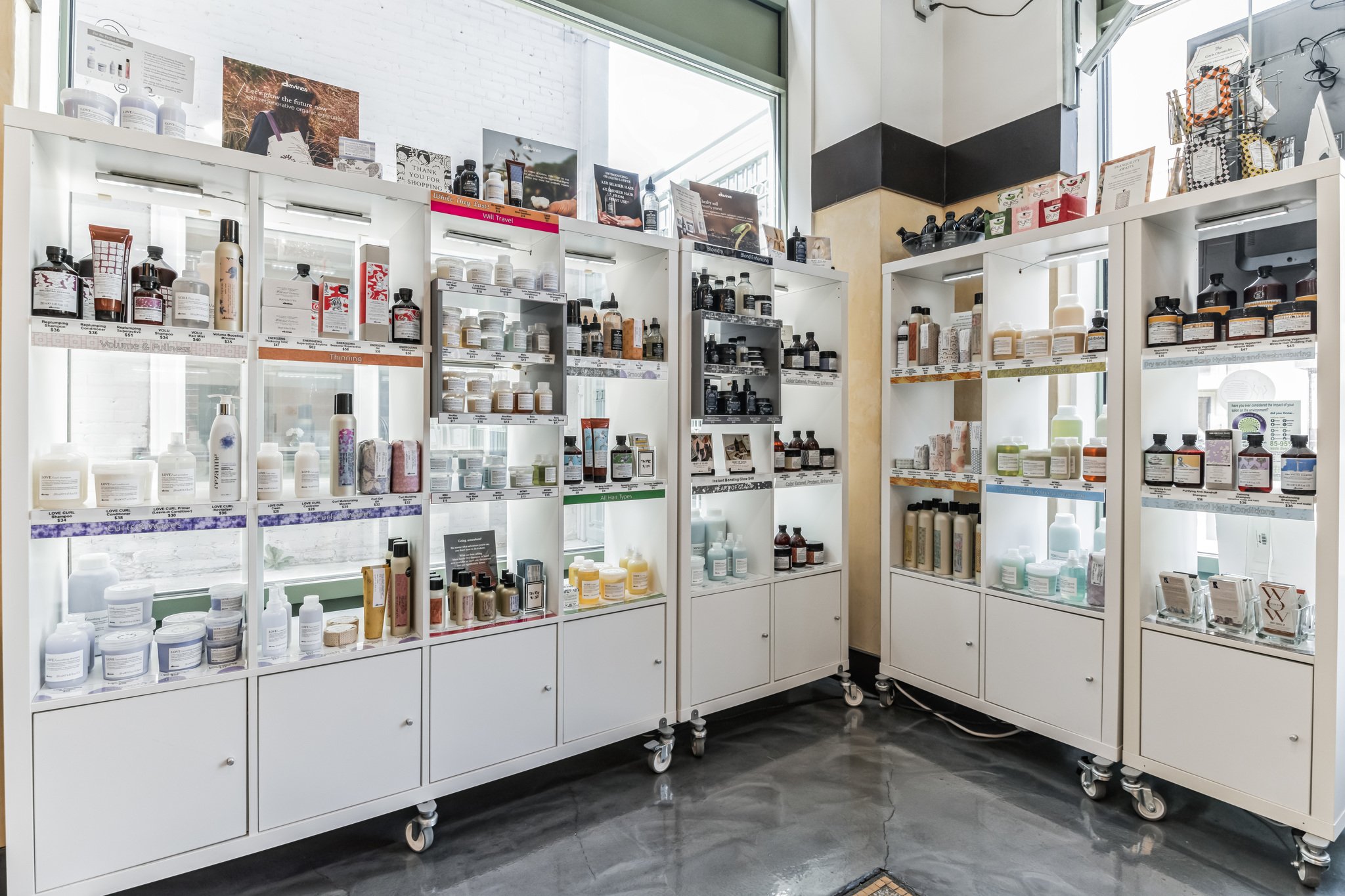
You've been standing in the shower aisle at the Kerrytown co-op for ten minutes, flipping bottles over, reading ingredients you can't pronounce. Your hair has been dull since you moved here. Frizzy in summer, brittle by February. Someone mentioned sulfate-free hair products and suddenly you're down a rabbit hole at 11pm wondering if your shampoo is the problem. It probably is. Ann Arbor's moderately hard water from the Huron River watershed already works against your hair every time you wash. A sulfate-based shampoo makes it worse — stripping natural oils, triggering overproduction, leaving you with greasy roots and dry ends at the same time. There's a smarter way to wash for this climate, this water, and your specific hair. You're in the right place to figure it out.
Why Sulfate-Free Products Matter for Ann Arbor Hair
Living in Ann Arbor means your hair deals with more stress than you might think. Sulfate-free hair products are one of the smartest switches you can make here. The reason comes down to water, weather, and what most shampoos actually contain.
Ann Arbor sits in Washtenaw County, and the municipal water supply pulls from the Huron River watershed. Moderately hard water. That water carries dissolved minerals like calcium and magnesium, which build up on your hair shaft over time. Add a sulfate-based shampoo on top of that, and you get a double hit of dryness. Sulfates strip your hair's natural oils. Hard water leaves mineral deposits behind. Together, they leave hair feeling rough, dull, and brittle.
Sulfates are the foaming agents in most conventional shampoos — sodium lauryl sulfate and sodium laureth sulfate being the two most common. Industrial degreasers at their core. They clean well. Too well. They pull away the sebum your scalp produces to protect each strand, and your scalp then overproduces oil to compensate. That cycle leads to greasy roots and dry ends at the same time.
For residents near the Old West Side neighborhood, where older homes often have aging pipes, water mineral content can be even more variable. If you've noticed more frizz after moving to Ann Arbor, or more scalp flaking in winter, hard water and sulfates are likely working against you together.
Michigan winters make this worse. From November through March, indoor heating drops humidity levels sharply. Your hair loses moisture faster in dry indoor air, and sulfates accelerate that loss. Switching to sulfate-free formulas during these months helps your hair hold onto the hydration it needs. Less static. Less breakage. Softer texture by mid-winter.
Color-treated hair is especially vulnerable. If you color your hair at a salon in Ann Arbor and then wash with a sulfate shampoo at home, you're pulling pigment out of the cuticle with every wash. Sulfate-free formulas have a gentler cleansing action — they remove dirt and product buildup without forcing the cuticle open. Your color stays truer, longer.
Curly and wavy hair types benefit most visibly. Curly hair is naturally drier because sebum has a harder time traveling down a curved strand. Sulfates make that dryness severe. Without them, your curls retain moisture, clump more cleanly, and frizz less. Many Ann Arbor residents with textured hair report a noticeable difference within two to three washes after switching.
Even straight, fine hair isn't off the hook. Sulfates disrupt your scalp's natural bacterial balance. That disruption can lead to irritation, excess flaking, or sensitivity — a gentler cleanser keeps that balance intact.
The adjustment period is real. Your hair may feel different for the first week or two after switching. That's your scalp recalibrating oil production. Not a sign the product isn't working. Most people find their hair settles into a healthier pattern within two to four weeks, and washing frequency often decreases naturally because your scalp stops overproducing oil. The transition feels unfamiliar, but it's temporary — and worth it.
Ann Arbor's active lifestyle also plays a role. If you swim at the University of Michigan's recreational facilities or spend time outdoors near the Huron River, your hair is exposed to chlorine and environmental particulates regularly. Sulfate-free cleansers remove those without stripping your protective barrier each time. Clean hair. No damage cycle.
The bottom line is simple. Ann Arbor's water chemistry, seasonal climate, and active outdoor culture all create conditions where sulfate-free formulas perform better than conventional shampoos. Your hair keeps more of what it needs and loses less of what protects it. Not sure which formula fits your hair type? We can point you in the right direction with a free consultation — call us at (734) 757-6210.
Hair Types That Benefit Most from Sulfate-Free Formulas
Not every hair type reacts the same way to sulfate-free hair products. Some people switch and never look back. Others wonder if it matters for them at all. Here in Ann Arbor, where seasons swing hard from humid summers to dry winters, knowing your hair type helps you make the right call.
Most hair types benefit. But some benefit dramatically more than others. Below is a plain breakdown of who gains the most — and why.
Curly and Coily Hair
Curly and coily hair types sit at the top of the list. The curl pattern itself makes it harder for natural oils to travel from root to tip. Sulfates strip those oils fast. Once they're gone, curls lose definition, frizz increases, and the hair feels rough to the touch.
Switching to a sulfate-free cleanser lets your scalp's natural oils stay where they belong. Curls spring back more consistently. Frizz drops. Many people with Type 3 and Type 4 curl patterns report a noticeable difference within two to three washes.
If you're in the Kerrytown neighborhood and you've been fighting frizz every summer, your shampoo formula may be a bigger factor than the humidity alone.
Color-Treated and Chemically Processed Hair
Color your hair? Sulfates work against you. They break down dye molecules faster than normal washing would, which means your color fades sooner and you're back in the salon chair earlier than you'd like.
The same applies to keratin treatments, relaxers, and perms. These processes change the internal structure of the hair strand. Sulfates can disrupt that structure and shorten how long the treatment holds. Sulfate-free formulas are gentler on the outer cuticle layer, which helps your color and treatments last longer.
Research into how shampoo formulations affect hair cosmetics confirms that color-treated hair loses pigment much faster when washed with high-lather sulfate shampoos compared to milder alternatives. That's a real cost — not just in appearance, but in time and money spent maintaining your color.
Dry and Damaged Hair
Dry hair is already low on moisture. Sulfates pull out what little is left. Brittle strands, easy snapping, dullness after washing — sulfates may be making all of it worse.
Damaged hair has a compromised cuticle. That outer layer is supposed to lie flat and protect the inner cortex, but when it's lifted or broken, moisture escapes quickly. Sulfate-free formulas don't force that cuticle open the way harsh surfactants do. Your hair holds onto moisture better between washes.
Ann Arbor winters are particularly rough on dry hair. Cold air outside, forced heat inside — that combination pulls moisture from every surface, including your strands. A sulfate-free shampoo won't fix winter damage on its own, but it stops adding to the problem.
Fine and Oily Hair
This one surprises people. Fine or oily hair types often assume they need a strong, stripping shampoo to feel clean. But over-stripping triggers a rebound effect. Your scalp senses it's been dried out and produces more oil to compensate. The result? Hair that gets greasy faster, not slower.
A gentler, sulfate-free formula cleans the scalp without triggering that overproduction cycle. Over a few weeks, many people with fine or oily hair find they can go longer between washes. The scalp recalibrates. Oil production levels out.
It takes patience — usually two to four weeks for the scalp to adjust. But the payoff is real for many people who make the switch.
Sensitive Scalp and Skin Conditions
If you deal with scalp sensitivity, eczema, psoriasis, or contact dermatitis, sulfates can trigger or worsen flare-ups. The American Academy of Dermatology notes that sodium lauryl sulfate is a known irritant for people with sensitive skin conditions.
How to Build a Sulfate-Free Routine That Holds Up
Switching to sulfate-free hair products in Ann Arbor is a smart first step. But the routine around those products matters just as much as the products themselves. A few small changes to how and when you wash can make a real difference in how your hair looks and feels.
Start with wash frequency. Sulfate-free shampoos are gentler, so they don't strip your scalp the same way — many people find they can stretch washes to every two or three days. If you've been washing daily, your scalp may overproduce oil at first. Give it two to three weeks to adjust before you judge the results.
Water temperature matters more than most people think. Hot water opens the hair cuticle wide, letting moisture escape after you rinse. Warm water is fine for washing. But finish with a cool rinse. It closes the cuticle, adds visible shine, and costs absolutely nothing.
Pre-wash prep can protect your hair before you even get in the shower. If you live near Kerrytown or any area where you spend time outdoors in wind or cold, a light oil applied to dry ends before washing acts as a buffer. It limits how much moisture the shampoo pulls out during the wash. Argan, jojoba, or even a small amount of coconut oil on the ends works well for this.
When you shampoo, focus on the scalp only. Work the lather down with your fingers in slow circles and let the rinse water carry the product through the rest of your hair. Scrubbing the lengths causes friction and breakage, especially with fine or color-treated hair. You don't need to scrub to get clean.
Conditioner placement is the flip side of that. Apply conditioner from mid-shaft to ends only — avoid the scalp. Leave it on for two to three minutes before rinsing. If your hair is thick or dry, a weekly deep conditioning treatment will fill in what daily washing takes out. Look for conditioners with humectants like glycerin or aloe, which pull moisture from the air into your hair shaft. A real benefit during Ann Arbor's humid summers.
Drying technique is where a lot of routines fall apart. Rubbing wet hair with a terry cloth towel causes frizz and breakage. Squeeze water out gently instead. A microfiber towel or a soft cotton T-shirt works better than a standard towel. Let your hair air dry at least halfway before using any heat tool, and if you use a diffuser or blow dryer, keep the heat on medium or low. Ready to get your full routine dialed in? We're a call away at (734) 757-6210.
Styling products also need to match your sulfate-free routine. Some gels and hairsprays contain alcohol that dries the hair out between washes. Look for alcohol-free or water-based styling products. They hold without pulling moisture out of the hair shaft over the course of the day.
So don't overlook your pillowcase. A satin or silk pillowcase reduces friction while you sleep. Cotton pillowcases absorb product and moisture from your hair overnight. Switching your pillowcase is one of the easiest ways to extend the life of a fresh wash day.
Building this routine takes a few weeks of small adjustments. But once it clicks, you'll notice less breakage, more moisture, and hair that looks better between washes. Each step reinforces the next, and the whole routine becomes second nature fast.
You know what your hair needs. The next step is booking an appointment with someone in Ann Arbor who can look at your hair type, your water situation, and your current routine — and put the right sulfate-free products in your hands. Call us at (734) 757-6210 or book online at [scheduling link]. We'll walk you through exactly what to use and why it works for your hair, not just hair in general.