
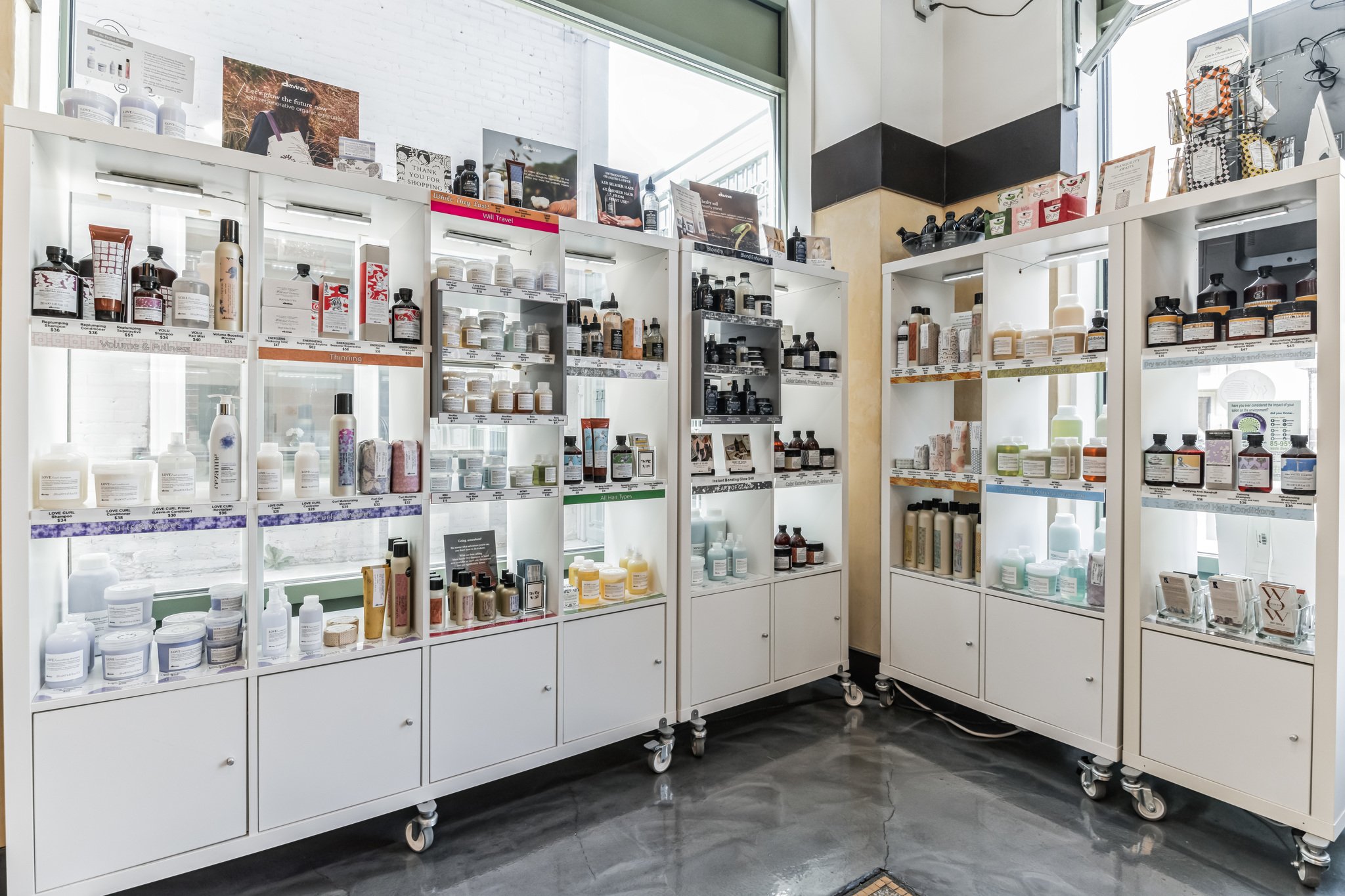
You walked out of the salon last month feeling like yourself again — the color was exactly right. Now you're standing in your bathroom under fluorescent light watching it fade into something flat and brassy, wondering what went wrong. You didn't do anything differently. But Ann Arbor did. Hard water, brutal winters, summer sun on the Border-to-Border Trail — this city is genuinely tough on color-treated hair. Color-protecting products can slow the damage, but only if they're matched to what your hair is actually up against here. That's the difference between buying something off a shelf and building a routine that works. At Pura Vida Color Studio Hair Salon, we know this climate, we know this water, and we know how to help you keep your color looking the way it did on day one — not just for a week, but for the long stretch between appointments.
Why Color-Treated Hair in Ann Arbor Fades Faster Than You Expect
You just left the salon with a fresh color. It looks perfect. Then six weeks later — dull, brassy, washed out. If this sounds familiar, you're not imagining it. Color-protecting products can slow this down, but first you need to understand what's working against your color in Ann Arbor specifically.
Ann Arbor pulls its water from the Huron River and local groundwater sources. That water is classified as moderately hard to hard, meaning it carries elevated levels of calcium and magnesium minerals. Hard water hits your hair in the shower and those minerals bind to the hair shaft, creating a barrier that blocks color molecules from staying locked in. Over time, each wash strips a little more pigment out. Blondes go brassy. Reds turn orange. Brunettes lose their depth and look flat.
The seasonal swings here make things worse. Ann Arbor winters are long and dry. Indoor heating pulls moisture out of the air, and dry air pulls moisture out of your hair — when your cuticle dries out and lifts, color escapes faster through those open gaps. Then spring arrives and humidity spikes. Repeated swelling and shrinking of the hair shaft from moisture changes weakens the cuticle layer over time, leaving less protection for your color from one season to the next.
Summer adds UV exposure into the mix. Spending weekends at the Nichols Arboretum or biking the Border-to-Border Trail means direct sun exposure that breaks down color pigment. UV rays target the same chemical bonds that hold artificial color in place. This is especially noticeable in reds and fashion colors, which are made of smaller dye molecules that escape the hair shaft more easily than darker pigments. Understanding how hair dyes interact with your hair can help you make smarter choices about protecting your color long-term.
Chlorine is another factor many people overlook. Ann Arbor has a strong swim culture, with community pools and fitness centers used year-round. Chlorine oxidizes color — it does the same job as a chemical lightener, just slower and less evenly. Even one swim session without a protective product can pull warmth out of a brunette shade or turn a blonde greenish.
Your shampoo routine matters more than most people realize. Many standard shampoos contain sulfates, which are detergent agents designed to strip oil and buildup from the scalp. They do that job well. They also strip color. Washing color-treated hair with a sulfate-heavy shampoo is like scrubbing a painted wall with a harsh cleaner — the surface dulls faster than it should.
Heat styling compounds all of these issues. Flat irons, curling wands, and blow dryers used at high temperatures open the hair cuticle and accelerate color loss. Ann Arbor winters push people toward blow-drying more often, because stepping outside with wet hair in January is genuinely uncomfortable. That extra heat exposure adds up fast across a full season.
Hard water, seasonal dryness, UV exposure, chlorine, heat — the combination creates a specific environment here that works against color retention. This isn't a problem you can solve with one product or one change. It takes a consistent routine built around what your hair actually faces in this climate. Understanding why your color fades is the first step toward keeping it longer between appointments. Not sure which of these factors is hitting your hair hardest? We can walk you through it in a free consultation.
How to Choose the Right Color-Protecting Products for Your Hair Type
Not every color-protecting product works the same way for every head of hair. Choose the wrong one and your color fades faster than it should. In Ann Arbor, where seasons swing hard from humid summers to dry winters, your hair type matters even more when picking the right products.
Start by knowing your hair's texture and porosity. Porosity tells you how well your hair absorbs and holds moisture — and color. High-porosity hair soaks up color fast but loses it just as quickly. Low-porosity hair resists moisture, which can make color look uneven over time. A simple test: drop a clean strand in a glass of water. Sinks fast? High porosity. Floats? Low porosity.
Here is a quick breakdown by hair type:
- Fine or thin hair: Look for lightweight, sulfate-free shampoos and conditioners. Heavy creams can weigh fine hair down and make color look dull faster.
- Thick or coarse hair: You need richer conditioners and leave-in treatments. Coarse hair needs more moisture to keep color from looking dry and faded.
- Curly or wavy hair: Curl-specific color-safe products help maintain both your curl pattern and your color. Avoid anything with drying alcohols near the top of the ingredient list.
- Chemically treated or bleached hair: This hair type needs the most protection. Look for bond-building ingredients and deep conditioning masks used at least once a week.
If you color your hair at home or visit a salon in the Kerrytown or Old West Side neighborhoods, ask your stylist which porosity level they think your hair falls into. A good stylist can spot it quickly just by feeling your ends. That one piece of information will point you toward the right product category before you spend a dollar.
Water quality plays a role too. Ann Arbor tap water contains minerals that build up on hair over time. This mineral buildup — often called hard water residue — dulls color and makes products work less effectively. A chelating or clarifying shampoo used once or twice a month can remove that buildup without stripping your color, as long as you follow it with a good deep conditioner.
Pay attention to how your hair behaves between washes. Color fading noticeably within the first two weeks after a service? Your products may not be doing enough. Hair feeling dry and brittle by day three? You may be over-washing or using a formula too harsh for your hair type. Both are signs it's time to reassess what's in your shower.
Ingredients to look for in color-protecting products include:
- UV filters — especially useful during Ann Arbor summers when sun exposure is high
- Antioxidants like vitamin E or green tea extract — help fight color oxidation
- Hydrolyzed proteins — strengthen the hair shaft and reduce color bleed
- Natural oils like argan or sunflower — seal the cuticle and lock in color molecules
Ingredients to avoid include sulfates like sodium lauryl sulfate and sodium laureth sulfate. Strong detergents. They strip color quickly. Also avoid high concentrations of drying alcohols, which appear on labels as alcohol denat or isopropyl alcohol — more common in styling products than shampoos, but worth checking either way.
The right product routine doesn't have to be complicated. A sulfate-free shampoo, a matching conditioner, and a weekly mask built for your specific hair type will take you further than a cabinet full of products that don't match your needs. Know your hair, read the labels, and your color will stay vibrant much longer between services.
What to Expect at Pura Vida Color Studio Hair Salon During a Product Consultation
Walking into Pura Vida Color Studio Hair Salon in Ann Arbor, you're not handed a bag of products and sent on your way. A product consultation here is a real conversation — our stylists have spent years working specifically with color-treated hair in this climate, and that experience shapes every recommendation we make. We look at your hair, ask about your routine, and match color-protecting products to what your hair actually needs right now.
The first thing we do is assess your hair at the strand level. Fresh balayage, a single-process all-over, a faded shade that needs help — we look at all of it. We check your porosity, your texture, and how your hair has been responding to heat and water. This tells us a lot before you say a word.
Then we ask questions. How often do you wash? Do you use hot tools daily? Do you have hard water at home? Ann Arbor's municipal water supply runs moderately hard, and mineral buildup is one of the fastest ways to strip color from your hair. If you live in a neighborhood like Burns Park or the Old West Side and you're washing with unfiltered tap water, that alone can dull a fresh color within weeks. We factor all of this in.
From there, we walk you through a short list of recommended products — not a long shelf of options that leaves you confused. We explain what each one does in plain terms. A color-depositing conditioner refreshes tone between appointments. A sulfate-free shampoo slows fade at the cuticle. A UV-protective leave-in blocks the kind of sun exposure you get walking across the University of Michigan Diag in July. We tell you which steps matter most for your specific color and which ones are optional.
We also show you how to use the products correctly. Application method changes results. Leaving a toning mask on for three minutes versus ten minutes produces a different outcome. Applying a leave-in to soaking wet hair versus damp hair affects how well it absorbs. Small details. Real difference in how long your color stays vibrant.
If you're coming in after a color service, we build the product conversation into your appointment naturally. No pressure, no upsell script. If your hair is in good shape and your current routine is working, we'll tell you that. If there's a gap — like you're using a clarifying shampoo every wash, which is common and damaging to color — we'll point it out and explain why it matters. We'd rather you leave with confidence in a simple routine than spend money on products you don't need.
We also think ahead with you. Michigan seasons are hard on hair. Summer UV exposure, winter indoor heat, and the dry air that comes with both extremes all affect color differently. We help you build a routine that shifts slightly with the season so your color holds through all of it, not just the first two weeks after your appointment.
By the end of the consultation, you leave with a clear, simple plan. You know what to buy, how to use it, and why it works for your hair specifically. No guesswork. No wasted money on products that don't fit your color type. Just a routine that protects the work you just invested in.
Ready to stop guessing and start protecting your color? Book a product consultation at Pura Vida Color Studio Hair Salon in Ann Arbor — add it to your next color appointment or schedule it on its own. Call us directly or use our online booking to grab a time that works for you. We'll look at your hair, ask the right questions, and send you home with a routine that actually holds up in this climate. Your color is worth protecting. Let's make sure it lasts.