
The Art of Good Fringe
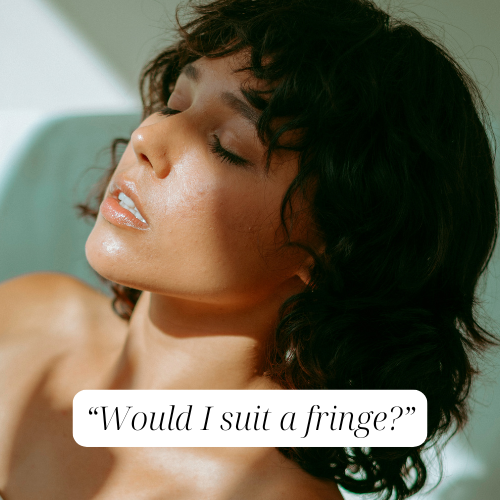
The art of a good fringe
Ever caught yourself staring in the mirror and wondering, ‘Would I suit a fringe?’
A fringe can totally switch up your look, adding shape, personality and just the right amount of edge, explains Raine Reggans. But before you take the plunge (or worse, take the scissors into your own hands), here’s what to consider if you’re flirting with the idea of a fringe.
Fringe benefits
Most people can pull off a fringe. It’s all about choosing the right shape for your face and your lifestyle, says Raine Reggans.
Longer side-swept fringes create angles and soften rounder faces, while something wispy works wonders on a square jawline. Soft, textured fringes suit heart-shaped faces. And if you’ve an oval face, lucky you, as almost any fringe style will look fabulous.
Of course, these are just starting points says Raine Reggans. The best way to figure out what works for you is to have a chat with your stylist. We can help you choose something that fits your vibe, your hair texture and your lifestyle.
Choose your fringe style
There’s more than one way to flirt with a fringe. Look to stars like Daisy Edgar-Jones, Dakota Johnson, Sienna Miller and Suki Waterhouse for inspo.
If you hanker for something bold and dramatic, a blunt, full fringe might be your thing (think Anna Wintour). Prefer something softer? A wispy fringe blends in beautifully.
Curtain bangs are having a major moment too – easy to wear, easy to grow out and effortlessly French-girl cool.
Then there’s the side fringe – perfect if you fancy a subtle change without too much fuss. And for the brave among us, micro fringes are edgy and fashion-forward, but they’re high-maintenance and not so easy to grow out if you change your mind.
Let’s talk fringe maintenance
This is where things get real, says Raine Reggans. Fringes don’t just magically stay looking good on their own. They need a little love to stay in shape.
Expect trims every 4-6 weeks to keep it looking tidy. Don’t worry, we offer complimentary fringe trims between cuts to keep things sharp.
Daily styling might become part of your routine too, whether that’s a quick sweep with a round brush, a flick of the straighteners or a dab of dry shampoo when it starts getting oily.
Speaking of oil… if your forehead gets oily, your fringe will pick up on it fast. Nothing a trusty dry shampoo can’t fix though.
What about your hair type?
Fringes can work on all sorts of hair types. It’s just about working with your natural texture, not against it.
Thicker hair can carry off a fringe beautifully – as Taylor Swift and Florence Welch show – though it may need a bit of thinning to stop it from looking bulky.
Finer hair often works best with lighter, feathery fringes that add shape without looking too flat.
And if you’ve curls or waves, you can absolutely still rock a fringe, but it needs to be cut to suit your curl pattern.
Growing out your fringe
Loved your fringe at first but six months later you’re over it? The good news is it will grow out. We can help you blend it into the rest of your style with a few clever trims or tweak the shape so it becomes more of a curtain fringe as it grows. Pin it, sweep it to the side, play with your parting – there are loads of ways to ride out the awkward phase.
So… should you go for it?
If you’re in the mood for a refresh and don’t mind a little upkeep, a fringe can be a fun way to switch things up. But if you’re someone who hits snooze six times and dashes out the door with barely a brush through your hair… well, you might want to think twice.
Still not sure? Book a consultation and let’s talk it through. We’ll help you figure out what suits your face, your hair and your lifestyle.
And remember, hair grows. So if you’re feeling bold …why not give it a go.